Introduction
In a world dynamic with digital clearness and busy imagery, the attraction of vintage aesthetic photography becomes a bastion of fond memories and artistic expression. This special approach includes different methods that evoke emotions, memories, and a gratitude for the past. Whether it's through soft focus, rough textures, or the warmth of sepia tones, vintage photography welcomes viewers to check out much deeper stories behind each captured moment. This article explores the richness of vintage aesthetic photography strategies, analyzing their implications in art photography, self-portraiture, and reflective practices.
What is Vintage Aesthetic Photography?
Vintage aesthetic photography describes a design that draws from historical photographic procedures and visual components similar to bygone ages. It frequently involves particular methods that provide images an aged look, thereby stimulating feelings of nostalgia. But what makes this design so appealing?
The Appeal of Nostalgia
Nostalgia plays a crucial role in our emotional connection to visual art. Classic visual appeals advise us of easier times or stimulate individual memories associated with household photographs. This connection can change normal moments into extraordinary experiences.
Key Characteristics
Color Palettes: Soft pastels or muted tones dominate classic aesthetics.
Textures: Graininess and film-like quality add depth.
Composition: Traditional framing often lines up with timeless photographic rules.
Lighting: Natural light or soft focus results create a heavenly atmosphere.
The Intersection with Art Photography
Fine art photography goes beyond simple representation; it embodies creative vision and emotion. How does vintage visual fit into this category?
Creating Psychological Resonance
Photographers utilizing vintage strategies tend to focus on conveying feelings instead of simply catching truth. The use of old-fashioned methods can bridge the gap between audience and subject, creating a more extensive connection.
Historical Processes in Great Art
Many fine art professional photographers use historical procedures like cyanotype or tintype to attain their desired results:
- Cyanotype: Known for its unique blue tones. Tintype: Provides a striking look that feels both genuine and timeless.
These processes not just improve visual appeal however likewise supply layers of indicating within artworks.
Aesthetic Self-Portrait Photography: A Reflective Journey
Self-portrait photography has actually developed drastically with time. With the rise of classic visual appeals, how has self-portraiture transformed?
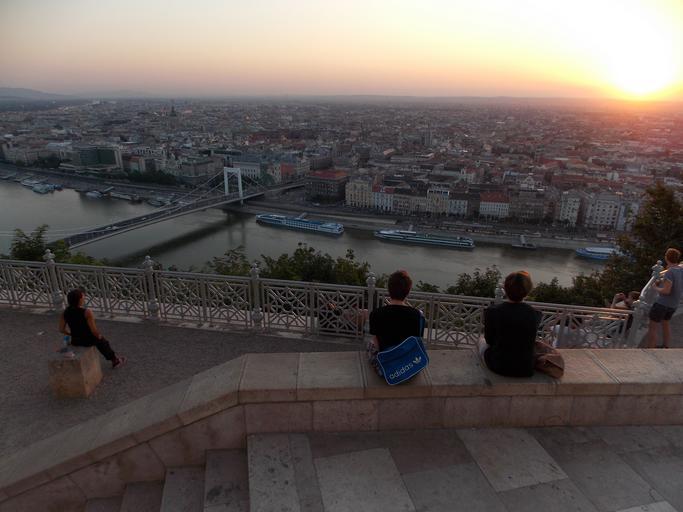
Exploring Identity Through Vintage Lenses
Aesthetic self-portrait photography permits individuals to explore their identities through curated imagery. By including classic components, topics can communicate feelings about themselves that might remain unspoken.
Faceless Self-Portraits: A New Perspective
Faceless self-portraits challenge conventional notions of identity by focusing on mood rather than physical qualities:
- Emphasizes feeling over appearance. Encourages viewers to project their interpretations onto the image.
This method often leaves much to the imagination while still resonating deeply with audiences.
Understanding Reflective Photography
What is Reflective Photography?
Contemplative photography motivates observers to slow down and engage deeply with their surroundings. This practice lines up well with classic looks as both highlight reflective http://beyondthesurface678.fotosdefrases.com/linocut-printing-techniques-bringing-texture-to-wall-art observation over quick capture.
Techniques for Contemplation
Mindful Observation: Requiring time to observe information changes ordinary scenes into spectacular compositions.
Intentional Composition: Careful plan enables storytelling through visuals.
Emotional Connection: Concentrating on sensations evokes credibility in imagery.
How to Master Self-Portrait Photography Techniques
Ever questioned how you could elevate your self-portrait game? Here's how you can master self-portrait photography while accepting vintage aesthetics.
Preparation is Key
Before even getting your camera:
Define your principle-- what story do you wish to tell? Choose a setting that complements your vision. Plan your wardrobe; selecting clothes styles reminiscent of earlier decades boosts authenticity.Technical Tips for Capturing Vintage Vibes
To attain that classic appearance:
- Use natural lighting whenever possible-- avoid severe flash. Experiment with manual settings on your video camera; lower ISO can include grain while wide apertures produce gorgeous bokeh backgrounds. Post-processing utilizing filters simulating film grains further improves the vintage feel.
Exploring Various Classic Designs in Visual Photos
When diving into classic visual appeals, there are multiple designs worth exploring:
1. Film Noir Style
- Characterized by remarkable lighting and high contrast images.
2. Soft Focus Portraits
- Creates dreamy images similar to early 20th-century portraiture.
3. Retro Color Palettes
- Using faded colors and vignetting adds depth and character.
Each design provides distinct methods to communicate mood while boosting storytelling elements within each photograph.
Curating Visual Photos To Place On Your Wall
So you've mastered taking these unbelievable photos; what's next? Let's talk about curating them for display!
Selection Process for Displaying Artwork
Choose pieces that resonate personally while likewise complementing each other visually:
Consider color consistency-- do they share comparable tones? Think about styles-- are they informing a cohesive story?These factors to consider make sure an impactful gallery wall experience!
Quiet Photos Visual in Modern Contexts
The quiet images aesthetic stresses subtlety over overindulgence-- a revitalizing departure from today's fast-paced images culture.
Finding Appeal in Simplicity
There's something profound about stillness recorded through lenses:
Encourages mindfulness amongst audiences by invoking harmony in the middle of chaos. Challenges social standards surrounding charm standards-- inviting everyone on board!Integrating Empowering Photography Techniques
Empowering photography isn't merely about showcasing beauty; it includes much deeper narratives also!
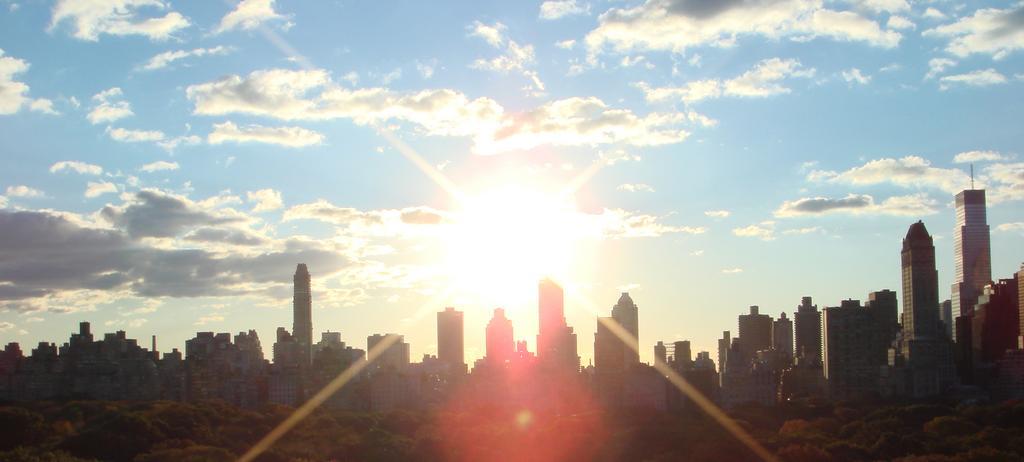
Fostering Confidence Through Imagery
Engaging topics in their own creative process empowers them:
Allowing them company over how they're represented constructs confidence.
Incorporating meaningful backstories instills images with purpose beyond aesthetics alone!
Tips for Refining Your Vintage Looks Skills
Want some specialist tips on improving those skills? Here we go!
1) Experiment Freely
Don't be reluctant to try new strategies! Some unforeseen outcomes might lead you down fascinating paths towards developing special styles!
2) Study Historic Photographs
Familiarize yourself with iconic professional photographers who originated this art kind-- they work as exceptional motivation sources!
3) Sign Up With Online Communities
Connecting with others who share interests promotes motivation while providing important feedback chances!
Frequently Asked Questions (FAQs)
Q1: What is contemplative photography?
Contemplative photography focuses on observing one's environment attentively instead of catching short lived minutes impulsively-- it promotes awareness & & gratitude for surroundings!
Q2: How does faceless self-portraiture work?
Faceless pictures highlight emotional undertones instead of physical appearances enabling audiences' imaginations run wild when interpreting images' meanings!
Q3: Can I create art self-portraits at home?
Absolutely! With creativity & & appropriate preparation (establishing backgrounds/lighting), you can quickly produce stunning pieces right from home!
Q4: What equipment do I require for aesthetic photos?
While expert gear helps raise quality outcomes significantly-- you can begin small utilizing even smartphone cams combined with modifying apps designed specifically for accomplishing wanted looks!
Q5: Are there particular filters recommended for attaining vintage effects?
Yes! Filters imitating film grain/fading colors work wonders when attempting reproduce traditional vibes-- check out options readily available by means of modifying software/apps until something resonates completely lined up together with total vision!
Q6: How do I discover my own design within this genre?
Experimentation paired with learning from past masters ultimately leads toward establishing individuality! Trust impulses throughout creative journey-- it'll show perfectly throughout final works produced!
Conclusion
In conclusion, exploring the depths of vintage aesthetic photography strategies provides a captivating journey filled with fond memories, creativity, and introspection. This art kind transcends basic image-taking; it embodies feelings and stories waiting to be informed through thoroughly curated visuals or spontaneous captures alike! By welcoming various styles-- consisting of fine art approaches-- toself-portraits steeped in rich histories-- professional photographers craft not just pictures however lasting legacies woven intricately together by threads connecting past-present-future! So get your video camera & & begin discovering hidden treasures nestled deep within every frame-- your experience awaits!